
Why Some Rooms Stay Hot in Summer and How To Fix It

When the Pacific Northwest summers heat up, many homeowners notice that some rooms in their homes feel like a sauna while others remain comfortably cool. Restricted airflow, duct leaks, insulation gaps, or simply the location of the room can prevent conditioned air from reaching or being effective enough to cool it off.
Understanding the root cause of your hot spots can help you determine the best solution for even, consistent comfort, no matter which floor you’re on. Explore the top benefits of solutions such as customizable zoning systems, Air sealing, and duct sealing below to learn how you can keep your cool during the scorching summer months.
Why Some Rooms Stay Hot During Summer
Even with your air conditioner working hard to help you cool off, a few culprits can keep some rooms hotter than others. Poor insulation, restricted airflow, and excessive sun exposure can prevent certain spaces from ever reaching the same temperature as the rest of your house. Heat can enter through small cracks or gaps around windows and doors, and blocked or poorly designed ductwork can prevent cool air from ever reaching the room in the first place.
Common Causes of Hot Rooms & Uneven Cooling in Homes
Rooms that are poorly insulated or exposed to direct sunlight often struggle to stay cool during the summer. If blockages or airflow restrictions develop in your HVAC system, the combination can leave you with varying temperatures throughout your entire house. Some of the most common reasons these issues occur include:
- Dirty air filters or closed vents are preventing cool air from reaching the room.
- Leaks or gaps in your ductwork are allowing conditioned air to escape.
- Poorly insulated walls or windows are letting outside heat in.
- Air leaks around attics, walls, or fixtures are allowing cool air to escape and warm air to enter.
- Blocked vents, duct design issues, or system imbalances are limiting airflow.
- East or west-facing windows are receiving intense sun exposure during the hottest times of the day.
- An improperly sized or aging HVAC system is struggling to cool evenly.
DIY Solutions To Improve Comfort in Warm Rooms
Optimizing your HVAC system to improve airflow and efficiency is the best way to reduce hot spots in your home. Routine maintenance helps clear blockages, clogs, or buildup that could prevent air from reaching certain rooms and keep your air conditioner running efficiently. Cleaning air filters, wiping off vent registers, and checking for obstructions can also help cool air distribute more evenly throughout your house without wasting energy.
On top of professional maintenance, there are a few other steps you can take to prevent uneven temperatures in your home, including:
- Cleaning or replacing air filters every one to three months.
- Reversing ceiling fans to push cool air down.
- Keeping vents clear of furniture, rugs, or curtains.
- Using blackout blinds to block excess heat.
- Installing weather stripping around doors and windows to prevent warm air from seeping inside.
The Hidden Problem: Conditioned Air Is Escaping Your Home
Often, conditioned air doesn’t even reach your living spaces. Cracks or gaps in your home’s ductwork or air leaks in attics and walls can allow cool air to escape before it even reaches your vents. This can make some rooms harder to cool than others. Your system produces conditioned air but it leaks out through these gaps and unsealed connections, working harder than it should. Get more from your HVAC system by making your home need less.
How Air Sealing Helps Keep Cool Air Inside Your Home
Air sealing is one of the most impactful upgrades for home comfort, helping keep conditioned air inside by sealing gaps, cracks, and holes in your home’s envelope. Using caulk or weatherstripping, professionals can plug hidden gaps around pipes, wires, windows, and doors to prevent cool air from leaking out and hot outdoor air from entering. By tightening up your home, you can make it easier for your system to do its job and provide more consistent comfort in every room.
Duct Sealing Improves Airflow To Every Room
Leaky ducts are one of the most common culprits of uneven temperatures, allowing conditioned air to escape through cracks and gaps before it reaches your rooms. Joint connections, unsealed attic duct runs, and aging duct materials are especially prone to leaks, reducing the amount of air that actually makes it to each space.
Duct sealing helps restore proper airflow by closing leaks, gaps, and holes throughout your duct system. Using specialized paste, tape, or sealant, professionals can seal problem areas and help conditioned air reach every room of your home.
What Is AC Zoning and How Does It Work?
AC zoning systems divide your home into separate areas, each complete with its own thermostat and temperature settings. Using a main control panel and motorized dampers in your ductwork, you can adjust the temperature of each zone to improve comfort and efficiency throughout your space. For example, if your upstairs office feels like a sauna, you can simply program the thermostat to cool that space without affecting the temperature in other rooms in your home.
How Room Zoning Can Improve AC Efficiency
Dividing your home into separate zones allows you to use energy only where it’s needed most. Instead of cooling your entire house, you can focus on specific areas at different times of the day to reduce energy consumption and lower your utility costs.
Split AC units also use dampers to direct airflow rather than sending the same amount of air to every room, helping to prevent backflow and pressure problems. By delivering conditioned air only to the zones that need it, you reduce wear on your ductless mini-split and keep it running efficiently for years to come.
Planning a Zoning System for Your Home
Creating a zoned HVAC system for your home involves dividing your house into independent sections. A professional load calculation helps to identify heating and cooling demands in different areas and ensures you set up the right zones.
Depending on your home’s layout, your zoning system can be divided by floor, usage, or sun exposure. Because heat naturally rises, most homeowners install separate zoning systems on each floor to help balance temperatures. Identifying areas with similar heating or cooling demands, such as bedrooms or living spaces, can also help improve comfort and efficiency.
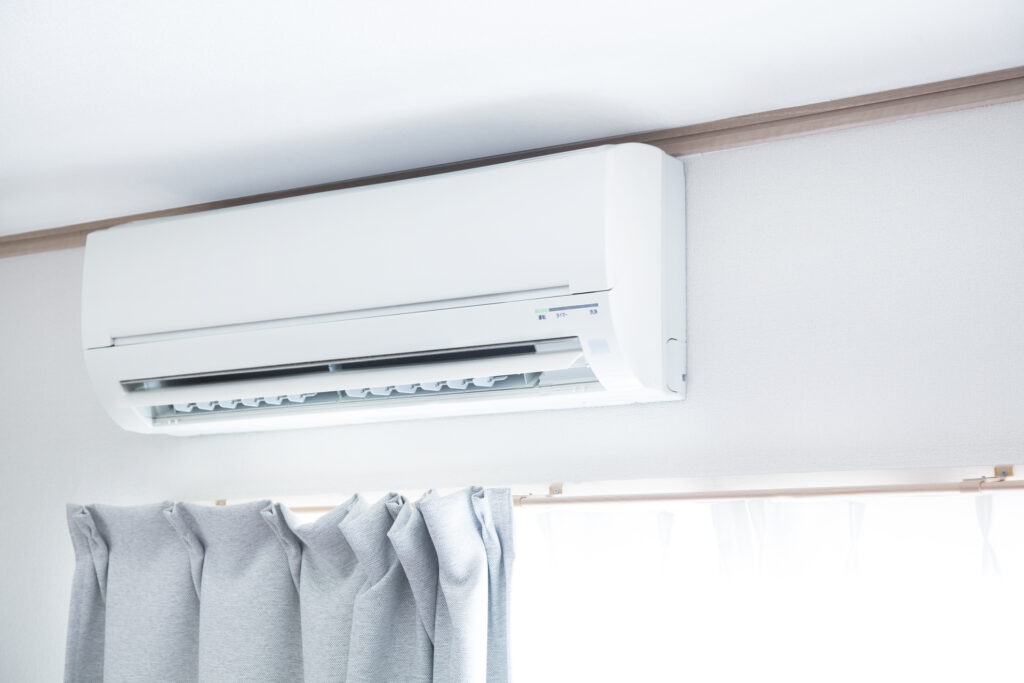
Mini-Splits as a Solution for Hot Rooms
Mini-split ACs offer an efficient way to reduce hot spots and keep your home comfortably cool. These two-in-one systems provide targeted heating and cooling to specific rooms or areas of your home through individual indoor air handlers. You can pair individual mini-split AC units with your central HVAC system to help cool rooms that run hotter, or install a mini-split system for whole-home comfort.
By eliminating air loss through ducts, a split AC system makes it easy to deliver cool air exactly where you need it. Whether your sunroom, office, garage, or attic is feeling too hot, you can customize the placement of each unit for precise temperature control in every space.
Mini-Splits vs. Traditional Zoning: What’s the Difference?
Mini-splits differ from traditional zoning systems, which are integrated directly into your existing ductwork. Instead of installing motorized dampers inside your ductwork to control airflow, they instead provide direct, targeted cooling to specific areas of your home through ductless indoor units.
Traditional zoning systems can be a helpful solution if you already have high-quality, well-sealed ductwork. However, mini-splits are a better option if you live in a home without ductwork, have rooms that are difficult to keep comfortable, or want to add cooling to additions without extending the ductwork.
When It’s Time to Consider HVAC Upgrades
If you do everything you can to improve airflow and you’re still dealing with hot spots in your home, it may be time to think about upgrading your HVAC system. Aging, damaged, or worn air conditioners struggle to distribute air evenly, leading to uneven temperatures, excess energy use, and uncomfortable conditions.
The top signs that it may be time for an upgrade include:
- Your air conditioner is over 10 years old.
- Some rooms are significantly hotter than others.
- Your AC runs all day, but still can’t cool off your home.
- Your energy bills are rising even though your usage is the same.
Tips for Maintaining AC Efficiency and Even Temperatures Throughout Your Home
Keeping your home evenly cool during the hot Pacific Northwest summers requires routine HVAC care and maintenance. Scheduling a tune-up in early spring, before temperatures peak, helps your system run efficiently so it’s ready to handle the warmer days ahead. Regularly changing your filters between appointments prevents clogs or blockages that restrict airflow and put added strain on your AC.
If you have a multi-zone mini-split system installed, check that each thermostat is set correctly and keep vents clear of obstructions. Maintaining balanced airflow and keeping your equipment clean helps each zone stay comfortable and prevents excess energy use.
A Whole-Home Approach To Consistent Comfort
Your HVAC system is only one part of the equation when it comes to eliminating hot spots. Air sealing, ductwork, insulation, and system design all work together to create a sealed home envelope that allows your HVAC system to perform at its best. By sealing air gaps, duct leaks, and insulation gaps, your air conditioner can distribute cool air more effectively throughout your home, maintain consistent temperatures, and run more efficiently.
Focusing on making your home need less lets you find the right system to deliver consistent comfort, without overworking your equipment.
How Revival Heating & Cooling Can Help Keep Your Home Cool This Summer
At Revival Heating & Cooling, we’re committed to keeping Pacific Northwest homes cool and efficient throughout the hot summer months. We specialize in whole-home evaluations that identify airflow problems or insulation gaps that may be causing uneven temperatures in your home and provide tailored recommendations to boost efficiency and comfort. Our technicians focus on finding ways to make your home need less, then install the right-sized system to improve efficiency and achieve year-round comfort.
Call us or book online to learn more or schedule your air conditioning service today! We proudly serve homes and businesses throughout the Pacific Northwest, including Ridgefield, Vancouver, Portland, and the surrounding communities.