
Why Some Rooms Stay Cold Even When Your Heater Is Running
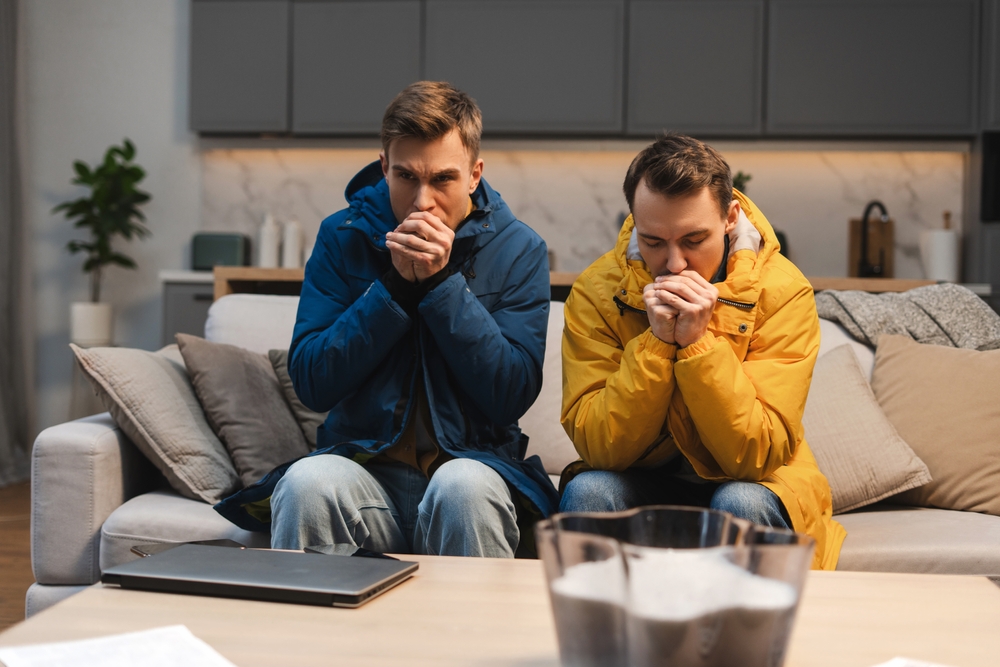
During the winter in the Pacific Northwest, many homeowners experience this common problem — the thermostat reads 70°F, but some rooms still feel like a walk-in freezer. Uneven heating in your home is often thanks to a substandard building envelope and poor heat retention, and fighting with your thermostat settings is unlikely to fix cold rooms. Learn why some rooms stay cold when your heater is running, common underlying causes, and when to schedule a home comfort assessment with Revival Heating & Cooling.
Why Is One Room in the House Colder Than Others?
If one room in your home is colder than others, it’s usually because an underlying condition is preventing your HVAC system from efficiently delivering heat, or that the heat is escaping from your home too quickly. These effects can cause some rooms to feel cold in the winter and spaces to stay hot in the summer.
Even heat distribution depends on these factors:
- Building envelope: The structure of your home as a barrier between indoor spaces and outdoor environments, comprising insulation, air sealing, and moisture barriers.
- Heating system operation: The size, design, energy efficiency, and overall performance of heating equipment, such as furnaces, heat pumps, and ductwork systems.
- Home layout and architecture: Number of building levels, room sizes, ceiling heights, square footage, and other characteristics that make up the home’s architecture and influence how heat travels upward.
Common Causes of Cold Rooms & Uneven Heating in Homes
Cold rooms and uneven heating are frequently due to different problems that affect heat retention throughout your home. Read more about the common causes of uneven heating in houses.
Is your thermostat telling the whole story?
Most standard thermostats in single-zone HVAC systems only measure temperatures from their immediate location, so it’s easy to miss the whole story. Proximity to heat sources, such as direct sunlight or appliances, can result in higher temperature readings that inaccurately represent the rest of your home, and the thermostat consequently stops your heating too early.
Similarly, since warm air rises, a thermostat installed in the upper levels of your home may also misrepresent temperatures and cause your lower levels to feel much colder. Without a well-designed HVAC system and efficient building envelope to compensate for the stack effect, your thermostat is unable to properly regulate heating cycles.
Air leaks can let warmth out and cold air in
The stack effect refers to how pressure and temperature differences can allow warmth to escape and let cold air in. This creates natural ventilation, where fresh outdoor air replaces stale indoor air, with lighter warm air rising and the resulting negative pressure pulling cold air in.
While ventilation is important, air leaks can exaggerate the stack effect and carry heat straight from your home before it can properly warm your living spaces. Common air leak locations include:
- Utility penetrations
- Attics
- Exhaust fans
- Recessed lights
- Chimneys
- Windows and doors
Ductwork can change how heat is distributed through the home
Ductwork systems facilitate even heating through balanced airflow and pressure. With precise duct sizing, low-friction system layouts, sealed connections, and strategic vent locations, ductwork ensures that warm air from your heater can evenly distribute throughout each room in your home, even those furthest away from the unit.
Homes with room-to-room temperature differences may have poorly designed ductwork systems. For example, long duct runs and sharp turns create friction and slow down warm air before reaching end-range rooms. Oversized or undersized ducts also throw off balance and may lead to uneven air volume to different rooms, while closed vents and dampers may completely cut off airflow to certain spaces.
Insulation helps keep heat where you want it
Effective insulation slows heat transfer through walls, floors, and ceilings by trapping rising air, with denser insulation increasing overall resistance. In poorly insulated homes, warmed air escapes quickly via thermal bridges, such as studs, exterior walls, foundations, and roofs, resulting in cold surfaces, chilly drafts, and uneven room temperatures. Uninsulated ductwork also allows heat to escape into colder spaces before it reaches your living spaces.
Windows and doors can contribute to cold rooms, but they aren’t always the cause
Windows and doors may contribute to uneven heating in the winter if their materials disrupt your home’s insulating barrier. Door and window materials conduct heat more quickly than air, and single-pane glass, non-insulated door cores, warped frames, and other low-performance or damaged materials can allow warmth to travel outside.
In other cases, doors or windows may be properly insulated, but the materials around them may be causing problems. Air leaks around the frame and worn-out weatherstripping may instead disrupt the barrier, and addressing these leaks is necessary to get the full benefit of door and window replacement.
DIY Solutions and Troubleshooting For Cold Rooms and Uneven Heating
If you experience uneven heating throughout your home, try these DIY solutions and troubleshooting tips:
- Check and replace air filters.
- Inspect windows, doors, and wall penetrations for drafts.
- Examine your attic — if you can see sunlight through the ceiling, air is leaking through.
- Check your thermostat settings.
- Inspect ductwork for leaks or condensation.
Signs Your Heating System May Need Attention
In some cases, your heating system may be the main source of uneven heating. Look for these signs that your furnace or heat pump may be straining.
Furnace considerations
Signs of furnace problems include:
- Short cycling or continuous cycles.
- Yellow or flickering burner flame.
- Weak or lukewarm airflow from vents.
- Banging, scraping, squealing, or other strange noises.
- High gas or electricity bills, depending on system type.
Heat pump considerations
Signs of heat pump problems include:
- Icing and frequent defrost cycles.
- Constantly running system or short cycling.
- High electricity bills.
- Weak or lukewarm airflow from vents.
A More Comfortable Home May Need More Than a Better Heating System
When rooms in your home stay cold while the heater is running, upgrading your system isn’t guaranteed to improve your comfort. Although it may seem logical that a bigger or more powerful heater should be able to evenly distribute heat, oversized systems may actually worsen the problem.
Overpowered systems will heat closer areas rapidly, so the thermostat may stop cycles prematurely, before the heat can travel down long duct runs. In other words, warm rooms become warmer, while your cold rooms stay unchanged.
In addition to heating supply and airflow, a comfortable home also depends on how well spaces retain warmth, so addressing building envelope inefficiencies is often a more practical and cost-effective step.
When to Have Your Home and HVAC System Evaluated
If DIY solutions and troubleshooting haven’t resolved comfort problems, and rooms in your home are still cold, it’s time to schedule an evaluation with Revival Heating & Cooling. Watch for signs such as:
- HVAC airflow problems.
- Leaking or collapsed ductwork.
- Short cycling or constant heating cycles.
- Noticeable drafts near windows, doors, outlets, and other locations.
- Localized sections of cold floors or walls.
- Excessive or persistent condensation on windows.
- Visibly degraded sealant or caulking around window and door frames.
Start With the Cause, Not Just the Symptoms
If one room feels consistently cold during the winter in Clark County, turning up the thermostat might not help. Symptoms can help inform troubleshooting, but addressing the problem at its source is more effective. The right solution depends on what’s actually happening in your home, whether your building envelope is inefficient, your heater is struggling, or your entire system needs an evaluation.
At Revival Heating & Cooling, we identify ways to make your home need less, so that you can get more from your heating system. We provide home energy audits, right-sized system installations, comfort assessments, and more, with solutions that reduce your heat load, conserve energy, and ensure even comfort throughout your home.
Find Out Why Your Room Is Cold With Revival Heating & Cooling
If you’re frustrated with your thermostat and can’t figure out why one room in the house is so cold, choose Revival Heating & Cooling for home comfort assessments, energy audits, and right-sized HVAC solutions. Contact us today to schedule services.
