
Why Heat Pumps Are a Great Choice for the PNW Climate
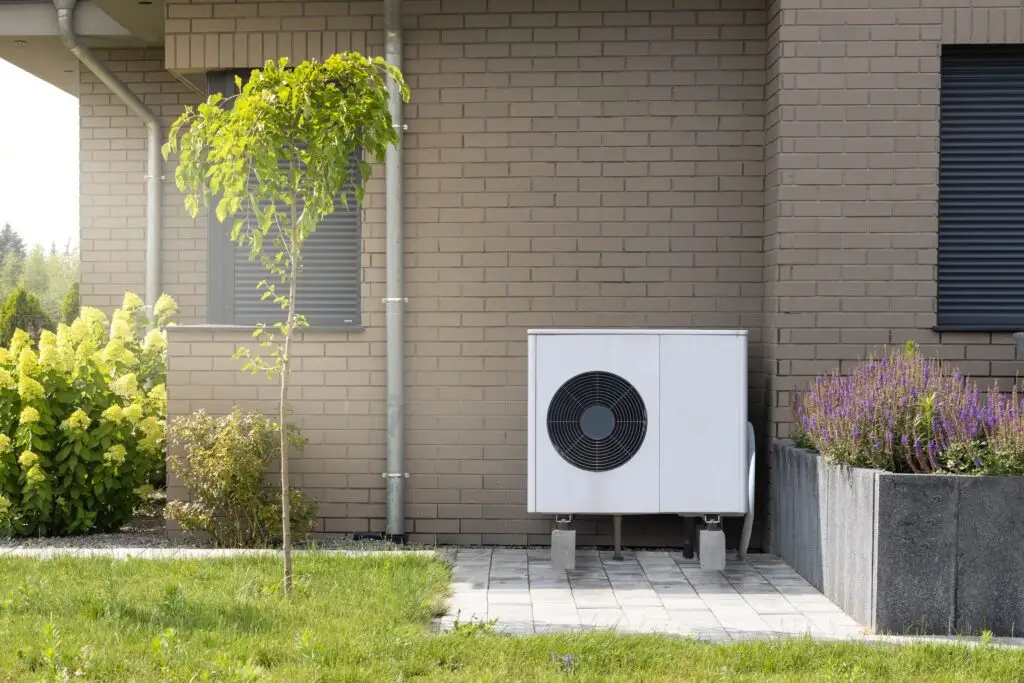
Why Heat Pumps Make Sense in the Pacific Northwest
The Pacific Northwest climate is known for its mild seasons, high humidity, and sudden changes in temperature and weather. Throughout Washington and Oregon, many homes aren’t properly equipped with the right HVAC equipment to handle these climate conditions.
As an alternative solution to traditional heating and cooling systems, heat pumps offer versatile, energy-efficient, and comfort-focused performance, and they’re highly compatible with the PNW climate. At Revival Heating & Cooling, we focus on making a home need less and installing the right-sized system to optimize your comfort.
How Heat Pumps Work, In Simple Terms
Instead of generating heat, heat pumps transfer it between indoor and outdoor spaces. During winter, heat pumps pull heat from outdoor air and transfer it indoors, then reverse this process during summer to expel heat outside and cool your home. This approach differs from a traditional furnace, which generates heat by burning fuel or using electric resistance, and from a standard air conditioner that only cools.
Modern heat pump heating and cooling systems use advanced compressors and refrigerants that allow steady performance even when outdoor temperatures drop. In the Pacific Northwest, winter temperatures are generally mild and stay within a range that allows heat pumps to work at peak efficiency. Even during the rare sub-zero temperatures in Washington and Oregon, cold climate heat pumps can maintain efficiency for conditions as cold as 5°F. Paired with adequate insulation and air sealing, heat pump systems provide stable indoor temperatures through each season.
Why the PNW Climate Is Ideal for Heat Pumps
The PNW is mostly known for moderate temperatures with occasional cold snaps, and it rarely experiences prolonged periods of extreme cold. Heat pumps for mild climates perform best under these conditions because they maintain comfort without cycling aggressively or relying on backup heat as often.
Moisture is another factor, since damp air affects comfort as much as temperature. Heat pumps regulate humidity during cycles, helping homes feel balanced rather than clammy or dry. These systems are well-suited for homes that need consistent, even comfort, as opposed to intense bursts of heating.
Comfort Benefits Homeowners Notice Right Away
Homeowners often notice comfort changes soon after switching to a heat pump, especially when pairing the system with air sealing, attic insulation improvements, and a home comfort assessment that addresses overall air and temperature circulation. Here’s how a heat pump can improve your comfort:
- More consistent temperatures: Heat pumps can modulate heating and cooling to provide consistent comfort between rooms.
- Fewer hot and cold spots: With steady operation that adjusts based on demand, heat pumps prevent hot and cold spots across your home.
- Quieter operation compared to older systems: Variable-speed compressors and fans operate at lower, steadier speeds, resulting in quieter heating and cooling cycles and more peaceful indoor spaces.
- Improved airflow and circulation: Continuous airflow keeps air moving throughout your home, minimizing the likelihood of stagnant areas and improving humidity management.

Heat Pumps and Whole-Home Comfort: Why the House Matters
Your home’s characteristics influence the performance of your heat pump system, and air leaks, insulation gaps, and duct losses increase how much heat the system must replace to hold a stable indoor temperature. When warm or cool air escapes through your attic, crawlspace, or uninsulated walls, the system runs longer and increases output more frequently, affecting temperature and humidity throughout your home.
At Revival Heating & Cooling, we evaluate your home’s thermal envelope before recommending equipment because these conditions determine real heating and cooling demand. Our home comfort assessments consider air leaks around light fixtures, doors, and windows as well as lacking insulation to understand how your home performs as a comprehensive system, which allows us to accurately size your heat pump. By accounting for or mitigating these factors, we provide heat pump installations that ensure steady, energy-efficient comfort.
Ducted vs. Ductless Heat Pumps in PNW Homes
Choosing between ducted versus ductless heat pumps depends on your home’s design and current HVAC equipment. A ducted heat pump uses your existing ductwork to distribute air throughout your home, while a ductless mini split heat pump system uses individual indoor air handlers to heat or cool specific areas directly, without using ducts.
Ductless systems are often well-matched to older homes, remodels, additions, and multi-level layouts, since they allow you to control temperatures in each zone independently. Many homeowners opt to combine ductless heat pumps with existing HVAC systems as a hybrid configuration, accommodating for additions or remodeled areas without existing ductwork.
Homes that have appropriately designed or well-maintained ductwork may enjoy more benefits with a ducted system. An HVAC professional can evaluate ductwork condition, airflow, room layouts, and other factors to determine which option makes the most sense for your home.
Common Questions PNW Homeowners Have About Heat Pumps
Many homeowners consider a heat pump while replacing a furnace or upgrading cooling, and common questions often come up during the decision-making process:
- How do heat pumps work in cold weather? Short periods of colder weather are manageable for heat pumps in the Pacific Northwest when the system is designed for local conditions and the home is properly sealed and insulated.
- Will my home still feel warm in winter? A modern heat pump can maintain warm, even indoor temperatures throughout your home by transferring heat from outside into your space.
- Are heat pumps noisy? Modern heat pumps operate more quietly than other systems because variable-speed compressors and fans can adjust gradually instead of constantly running at maximum output.
- Can heat pumps replace both heating and cooling systems? A single heat pump can provide heating and cooling, reducing the need for separate equipment.
The Role of Proper Sizing and System Design
Proper heat pump sizing and design affects comfort, efficiency, and system longevity. For example, oversized equipment transfers heat faster than it can circulate, leading to uneven temperatures and poor humidity control. Undersized systems struggle to meet demand during colder or warmer days and may operate continuously at maximum output, straining and accelerating wear on components and increasing the likelihood of heat pump repairs.
Each home in the PNW is different, so a one-size-fits-all strategy doesn’t usually work. We design systems based on how each home performs, and proper sizing depends on load calculations that account for square footage, insulation, air sealing, and layout.
When a Heat Pump May (or May Not) Be the Right Fit
Heat pumps make sense in many PNW homes, but certain conditions influence how well they perform. Consider a heat pump if the following conditions apply to your home:
- Moderate heating and cooling demand in a moderate or mild climate.
- Your existing HVAC system is outdated, inefficient, or due for replacement.
- You’re experiencing higher than normal energy bills.
- A need for both heating and cooling from a single system.
- Additions, remodeled spaces, or older homes without ductwork.
Homes with significant air leaks, insufficient insulation, or ducts in poor condition place higher demands on HVAC equipment, limiting efficiency, durability, and long-term value. In these situations, consider a comfort assessment and completing home improvements before upgrading to optimize the value of your heat pump investment. Some homes with unusually high heating loads or limited electrical capacity may also require a different system approach or a hybrid solution.
home comfort assessment provide the data needed to evaluate these factors before choosing equipment. By measuring how the home gains and loses heat, assessments help homeowners make evidence-based decisions for their HVAC upgrades, heat pump maintenance plans, and repairs.
A Smarter Path to Home Comfort in the PNW
In the PNW, installing a heat pump is a practical way to keep your home comfortable year-round. By considering how your home operates as an entire system, Revival Heating & Cooling can provide you with personalized heat pump designs and installation, air sealing, attic improvements. Get better comfort, consistency, and performance from your heating and cooling system today, and contact us at Revival Heating & Cooling to schedule a home comfort assessment.